BLOG
Why Smart IT Management Is Not What You Think in 2025 [Reality Check]
29 April 2025
.webp)

BLOG
29 April 2025
Traditional IT management methods are becoming obsolete as new approaches reshape the industry. Smart IT management goes beyond quick ticket resolution and uptime metrics. The landscape of 2025 looks completely different. AIOps (Artificial Intelligence for IT Operations) has changed how businesses manage their technology infrastructure. Teams now move from reactive to proactive strategies and spot issues before they surface.
Smart organisations now embrace AI-powered IT management strategies instead of wrestling with complex environments. Cloud services, IoT devices, and big data have created challenges that old IT operations methods can’t handle. AI-enabled asset IT management software has become vital for modern businesses. These advanced platforms can analyse vast amounts of IT telemetry data. They spot patterns, find anomalies, and offer predictions that human teams might overlook.
Your current understanding of IT management might need an update. AI has become the life-blood of successful operations. Your team needs proper preparation to adapt to this technological change. Modern IT management focuses on prevention rather than fixing problems that affect your business.
The way most people think about IT management is stuck in the past, which holds back what IT can really do. Organisations still look at IT management through a narrow lens and focus on metrics that don’t matter much in today’s digital world.
Business leaders often see their IT teams as just “tech-problem solvers” instead of strategic partners. IT professionals play a crucial role in keeping digital systems running, yet many companies box them into just handling support tickets [1]. This narrow view wastes chances for IT teams to do much more than fix technical problems.
Companies obsess too much about uptime metrics. Getting “five-nines” (99.999%) availability is important, but chasing it costs too much. Resources that could drive innovation and boost customer satisfaction get wasted [2].
A system might show as “up” but still give users a bad experience—uptime numbers alone don’t tell the whole story [3].
Quick ticket resolution helps but shouldn’t be the only way to judge IT success. A German manufacturer learnt this lesson the hard way. They lost approximately €50,000 per incident when assembly line equipment failed, and each support ticket took 30 minutes to process [4]. They switched to a smarter approach and cut ticket routing time by 80%, which saved them lots of money [4].
IT teams spend all their time putting out fires when companies only care about reactive metrics like ticket resolution. This stops IT from lining up with business goals and slows down digital progress.
Old monitoring tools don’t cut it anymore, but companies keep using them anyway. Approximately 86% of enterprises still use at least one legacy monitoring tool, and about 37% only use these outdated systems [5]. These numbers show a big gap between what companies do and what they need.
Monitoring solutions that are over ten years old can’t handle today’s complex technology. They struggle with modern setups like container-based microservices or hybrid IT systems [5]. These old tools flood IT teams with constant alerts without smart filtering. This leads to alert fatigue and important issues might get missed [5].
Most old tools came before cloud computing took off, so they can’t properly watch both on-premises and cloud resources [5]. Vendors focus on newer products now, which means old solutions get fewer updates. This creates security risks and costs more to run [5].
Cloud services have changed how we need to monitor IT systems. Traditional tools can’t keep up as organisations move to more complex tech setups [6]. Modern IT needs solutions that show what’s happening right now, not just basic monitoring.
These old ways of thinking and outdated tools stop organisations from getting the most out of their IT operations. Companies must realise that smart IT management goes beyond these limited views to work well in 2025. They need to match business goals, make decisions based on data, and use smart automation.
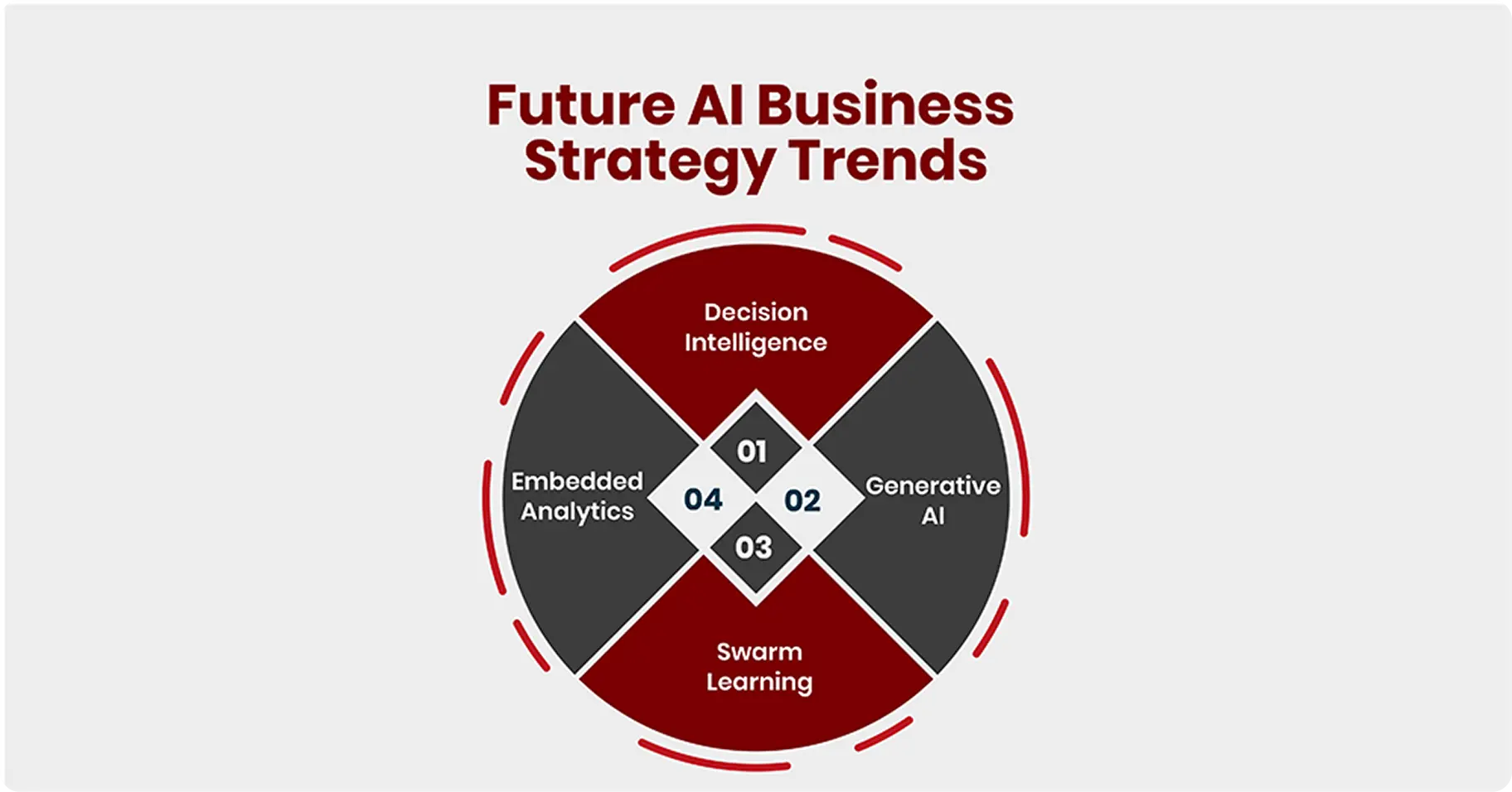
The rules for successful IT management have transformed. Companies must follow a new playbook to compete in 2025. The digital world grows more complex each day, and strategic IT management has evolved from supporting business to driving it. These new rules are the foundations of how organisations can control their technology investments’ full potential.
See where your IT enables growth, and where it's holding you back
Security gaps that could block investor reviews
License waste costing thousands monthly
Enterprise features you're funding but not using
Infrastructure readiness for scaling globally
%201.webp)
.webp)
%20(1).webp)
.webp)
.webp)
.webp)

.webp)